
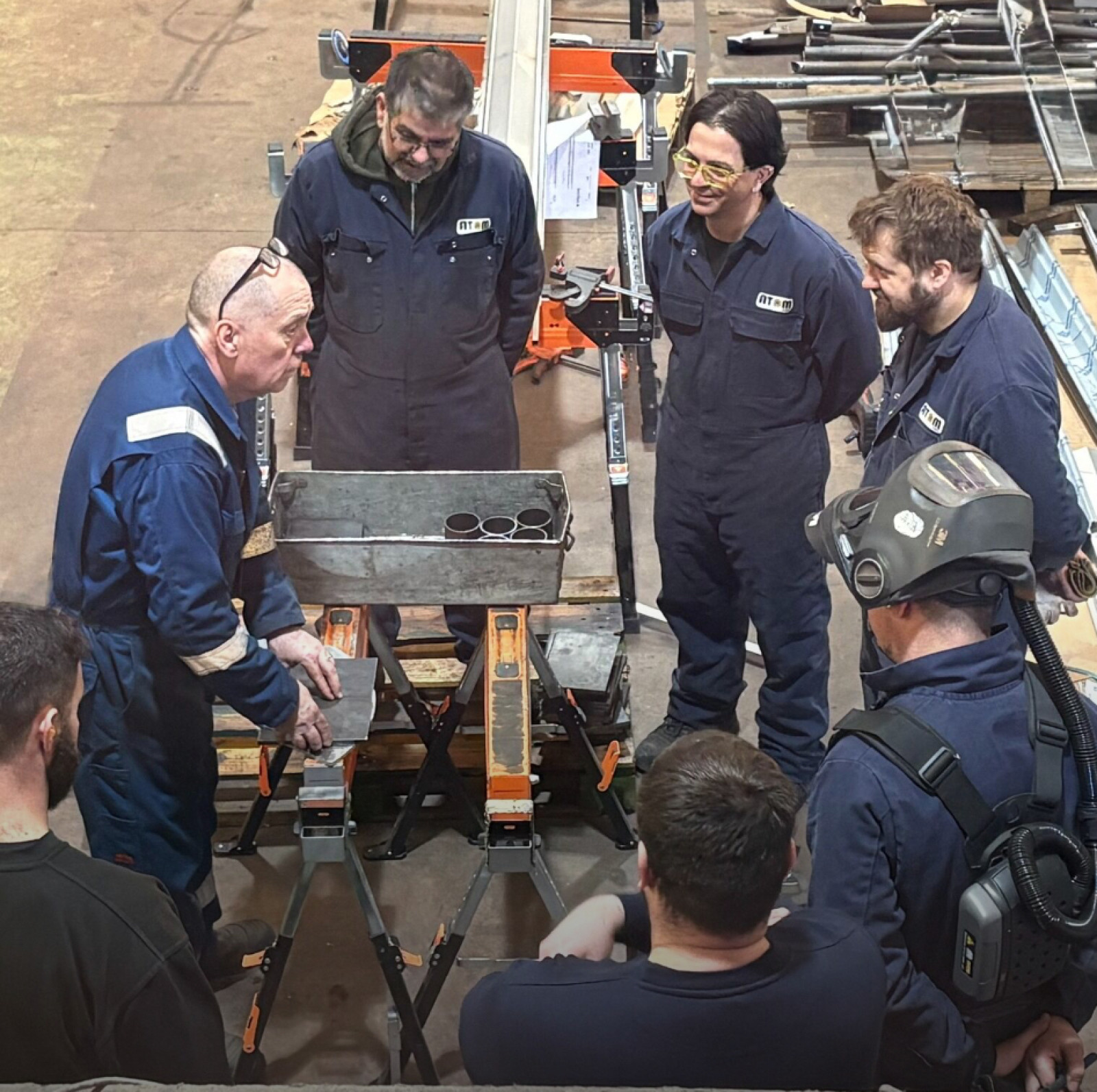
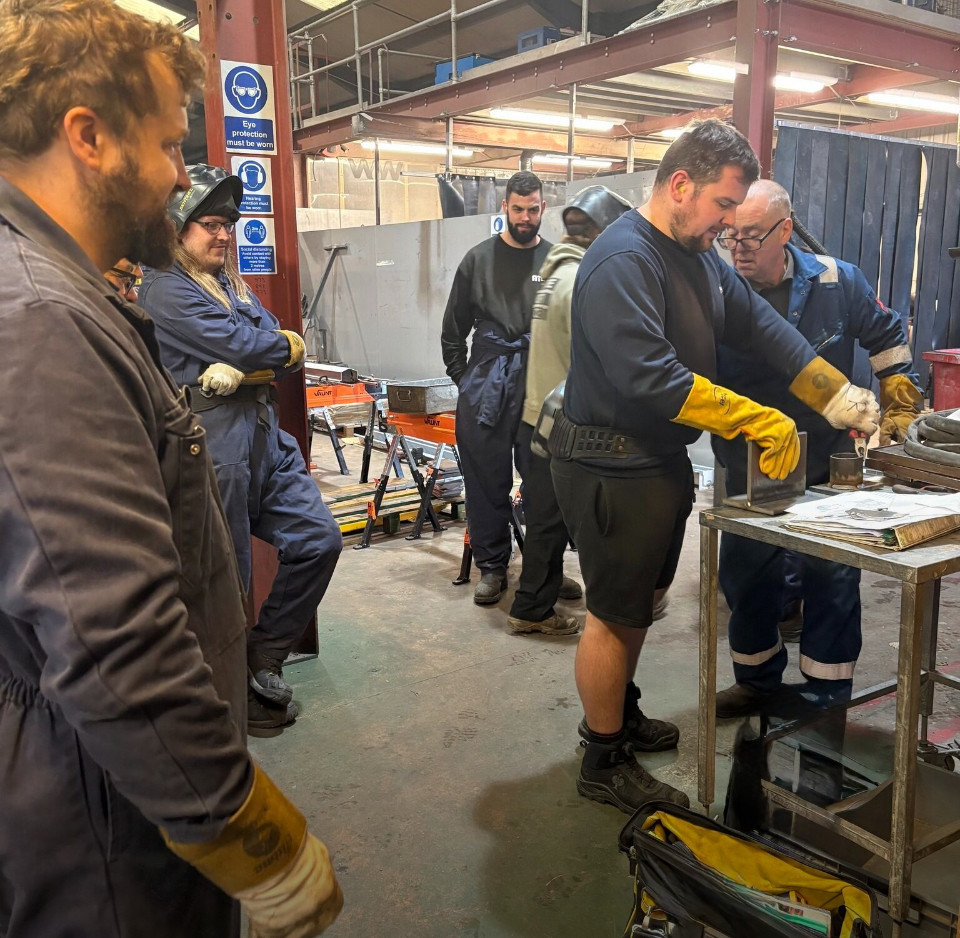
Last week we invited Mick Hurt from SR Welding & NDT Technology Ltd 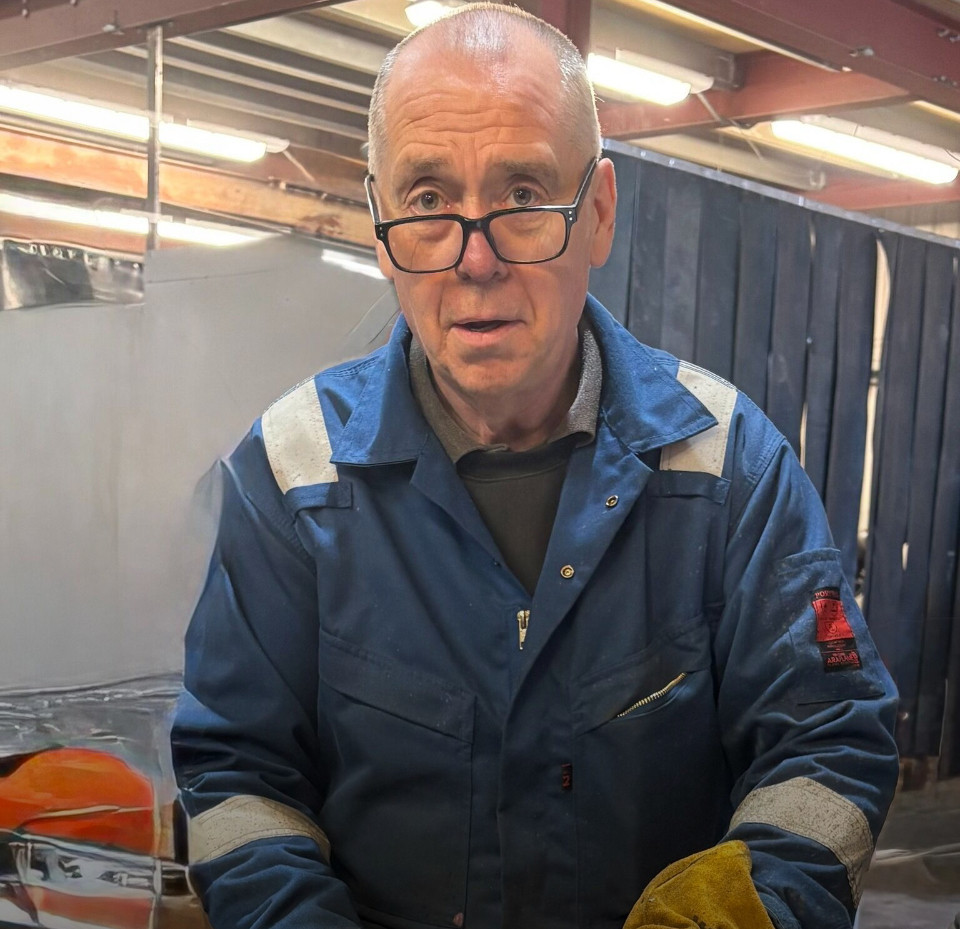 into our workshop to host a welding refresher session and to help guide the welding team as they undertook testing for three different codings. Although our team has decades of experience it never hurts to refresh and develop skills, and to have a team day.
What is “coded welding”?
In the UK engineering and construction sectors, coded welding refers to welding carried out by an individual who has been formally tested and certified to recognised industry standards. These tests—often conducted to British Standard BS EN ISO 9606, or sector-specific codes such as those used in the oil, gas and structural-steel industries—ensure that a welder can consistently produce joints that meet strict safety and quality requirements.
Why it matters
Coded welding is essential in environments where the integrity of a weld could have serious safety implications. This includes pressure vessels, pipelines, structural steelwork, power stations, aerospace components, and offshore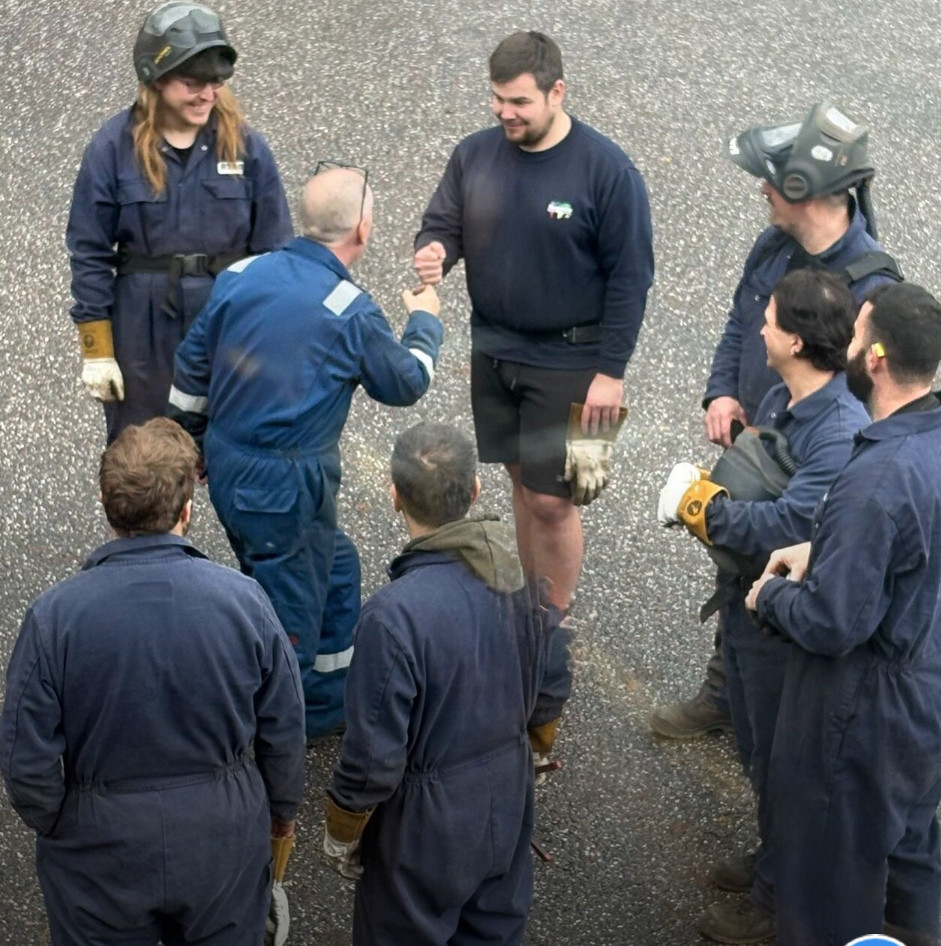 installations.
A coded welder’s work is often independently inspected using methods such as X-ray imaging, ultrasound, or destructive testing. The goal is to demonstrate that the weld meets the specification for the exact material, thickness, position and process defined in the test procedure.
How welders become “coded”
To become coded, a welder must complete a welder approval test, supervised by a certified welding examiner. The test involves producing a weld under controlled conditions following a “Welding Procedure Specification” (WPS). If the weld passes inspection, the welder receives a certificate. This qualification is only valid for the specific weld type tested—for example:
-
Welding process (MIG/MAG, TIG, MMA)
-
Material grade (carbon steel, stainless steel, aluminium)
-
Joint type (butt, fillet)
-
Thickness range
-
Welding position (horizontal, vertical, overhead)
Certificates must be kept current, with regular revalidation to prove ongoing competency.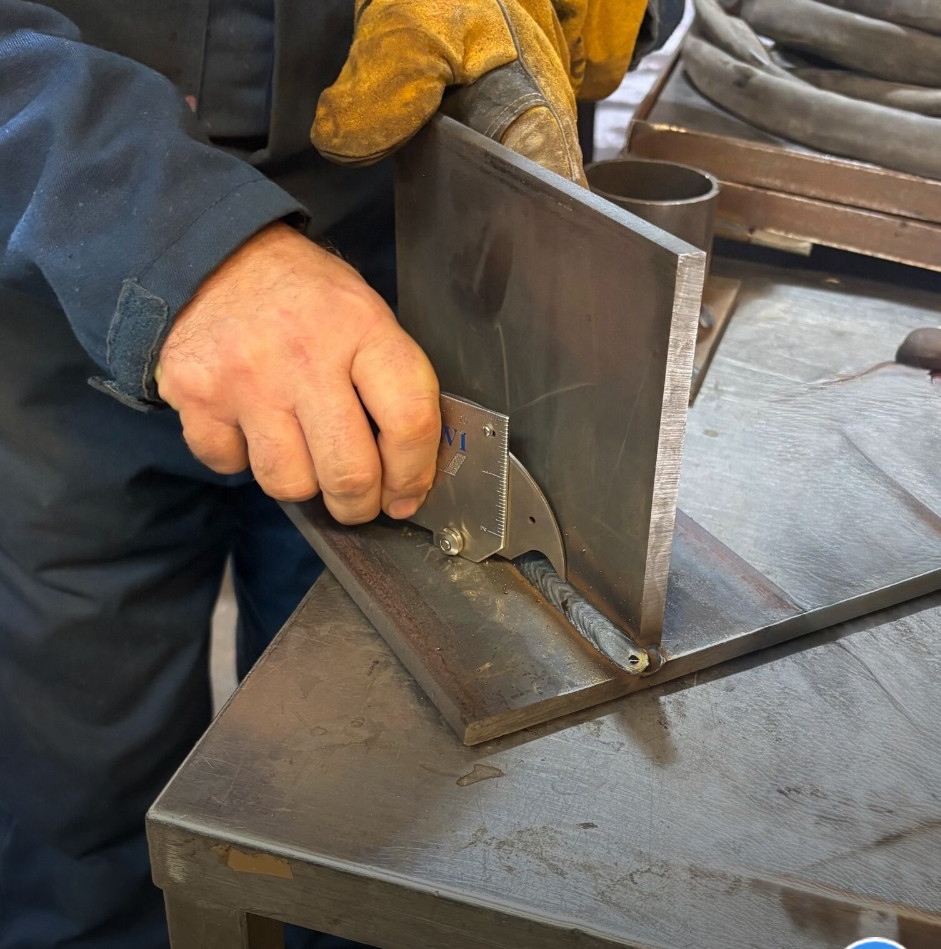
Growing demand
As the UK invests in new infrastructure projects, renewable energy systems and advanced manufacturing, demand for competent coded welders remains strong. Many employers face skills shortages, making qualifications particularly valuable within engineering and fabrication businesses.